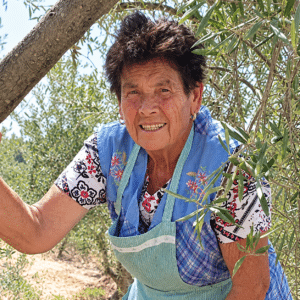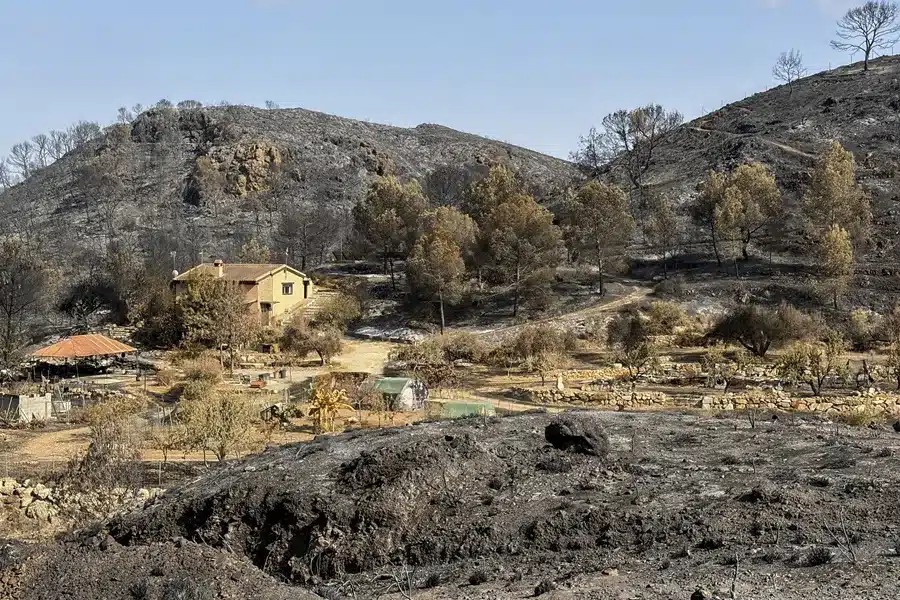
Quince personas perdieron la vida el 9 de julio de 2026. Detrás de esa cifra, hay familias que perdieron a sus padres, parejas, hijos y hermanos. «Para nosotros, esto no es simplemente un incendio que ocurrió, ni un número registrado en un informe. Es el momento en que nuestras vidas cambiaron para siempre», reza la declaración que los familiares de las víctimas del incendio de Los Gallardos hicieron llegar al Parlamento de Andalucía, a la que ha tenido acceso ACTUALIDAD ALMANZORA.

«Esas 15 personas no son estadísticas. Eran nuestros padres, nuestras parejas, nuestros familiares y nuestros amigos. Sus muertes han cambiado nuestras vidas para siempre», prosigue el documento. Las familias no se limitan a pedir justicia: quieren comprender. «Necesitamos saber si las personas fueron advertidas adecuadamente, si los procedimientos de evacuación fueron suficientes, si las autoridades estaban debidamente preparadas y si se podría haber hecho algo diferente para salvar vidas», reclaman.







COMPLEMENTAR UNA INVESTIGACIÓN PENAL
El núcleo del testimonio es una distinción jurídica que las familias consideran esencial. No piden sustituir la investigación penal que se sigue en el Juzgado de Vera, sino complementarla con una investigación pública que examine lo que el ámbito penal no puede alcanzar. «Una investigación penal busca determinar si se han cometido delitos (…). Una investigación pública puede plantear cuestiones más amplias: qué ocurrió antes, durante y después del incendio; si los sistemas y procedimientos funcionaron como deberían; si existieron fallos institucionales o sistémicos; y, fundamentalmente, qué debe cambiar para garantizar que una tragedia como esta no vuelva a repetirse», argumentan.


«Una investigación penal (…) no es un sustituto de una investigación pública y no puede modificarse para convertirse en una investigación pública, porque su alcance es demasiado limitado», sostienen. Y advierten de que la comisión interdepartamental privada que se ha propuesto «simplemente no es suficiente en virtud del Artículo 2 y del Artículo 13 del Convenio Europeo de Derechos Humanos».



EL DERECHO A LA VIDA Y EL CASO BUDAYEVA
Para sustentar su testimonio, las familias invocan el Artículo 2 del Convenio Europeo de Derechos Humanos (derecho a la vida) y el Artículo 6 de la Declaración Universal de los Derechos Humanos, y citan la sentencia del Tribunal Europeo de Derechos Humanos en el caso Budayeva y otros contra Rusia (2008), que estableció que la falta de una investigación pública adecuada tras una catástrofe constituye una violación de las obligaciones en materia de derechos humanos. «El derecho a la vida, y la responsabilidad y transparencia que de él se derivan, constituyen algunos de los derechos humanos más básicos y fundamentales», señalan.


RECHAZO DEL PP: «EVITAR LA CONFRONTACIÓN POLÍTICA»
La parlamentaria popular Ángeles Martínez justificó el rechazo de su grupo a la comisión de investigación en que «no debemos llevar los incendios al debate político para evitar la confrontación entre partidos» . Martínez recordó que ya hay una investigación judicial abierta «con la que la Junta de Andalucía está teniendo la máxima colaboración» y se mostró confiada en que «la justicia va a hacer una investigación seria y rigurosa». Asimismo, señaló que desde la Junta «se seguirá trabajando en los campos de mejora para prevenir y extinguir los incendios» y aludió a la comisión anunciada por el consejero Antonio Sanz para «mitigar y prevenir los incendios, donde se apliquen nuevas tecnologías y se desarrollen nuevas políticas preventivas».
POSTURA DE VOX: «INVESTIGACIÓN DE LAS FUERZAS DE SEGURIDAD DEL ESTADO»
Por parte de Vox, el parlamentario Rodrigo Alonso sostuvo que «el PSOE y la izquierda sólo buscan sacar rédito político de una tragedia con 15 víctimas» para justificar el rechazo de su grupo. Alonso defendió que «la investigación ha de ser realizada por las Fuerzas de Seguridad del Estado» . En la misma línea, otros medios han recogido declaraciones del también parlamentario de Vox Benito Morillo, quien explicó el voto contrario de su grupo «partiendo del hecho de que no desea ‘bajo ningún pretexto’ que la ‘tragedia’ de estos incendios se transforme ‘en un manejo político'».
DOS RECHAZOS DEL PARLAMENTO
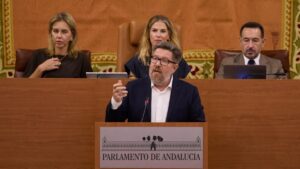
La declaración se remitió a la Cámara andaluza después de que el 16 de septiembre el Parlamento rechazara la primera petición del PSOE para crear una comisión de investigación, y antes de que el 1 de octubre se volviera a solicitar y fuera de nuevo tumbada por PP y Vox. Parte de su contenido fue leída en el Pleno por el parlamentario socialista Rodrigo Sánchez Haro.
Las familias cierran su testimonio con una apelación directa a los parlamentarios: «No podemos cambiar lo que ocurrió el 9 de julio. Pero ustedes pueden decidir qué sucede a partir de ahora. La decisión está en sus manos». (VEA NUESTRA PORTADA DE HOY)
* Esta es la declaración completa de los familiares, en su mayoría británicos:
Fifteen people lost their lives on 9 July 2026. Behind those fifteen deaths are families who lost parents, partners, children, siblings and friends. For us, this is not simply a fire that happened, or a number recorded in a report. It is the moment our lives changed forever. We are living with the consequences of that day every single day, and we are asking this Parliament to help us understand how it happened.
Therefore, we, the families of those that tragically lost their lives, respectfully urge the Parliament of Andalucía to establish a full, independent and transparent public inquiry into the events surrounding the devastating wildfires of 9 July 2026. For us, those 15 people are not statistics. They were our parents, partners, relatives and friends.
Their deaths have changed our lives forever. We need to understand what happened that day. We need to know whether people were adequately warned, whether evacuation procedures were sufficient, whether the authorities were properly prepared and whether anything could have been done differently to save lives.
We recognise and fully support the criminal investigation currently taking place through the court in Vera. But a criminal investigation and a public inquiry are fundamentally different processes, with different purposes. A criminal investigation seeks to establish whether criminal offences have been committed and whether individuals should be held responsible. A public inquiry can ask the wider questions: what happened before, during and after the fire; whether systems and procedures worked as they should; whether there were institutional or systemic failures; and, crucially, what must change to ensure that a tragedy like this is never repeated.
The two processes can exist alongside each other. One should not be used as a substitute for the other. There is also an important legal basis for our request. Article 2 of the European Convention of Human Rights and Article 6 of the United Nations Universal Declaration of Human Rights both state that in the event of such a disaster there must be an independent public enquiry that addresses the deaths. This was tested in law in the case of Budayeva and Others vs Russia (2008) which amongst other important judgements upheld that the failure to hold a public inquiry was a clear violation of the law on human rights.
The right to life, accountability and transparency therein is one of the most basic and fundamental of all human rights. If I can, I would like to read into the record the General Comment No. 31[80] of the Human Rights Committee (CCPR/C/21/Rev.1/Add. 13, 26 May 2004) “All branches of government (executive, legislative and judicial), and other public or governmental authorities, at whatever level – national, regional or local – are in a position to engage the responsibility of the State Party. The executive branch that usually represents the State Party internationally, including before the Committee, may not point to the fact that an action incompatible with the provisions of the Covenant was carried out by another branch of government as a means of seeking to relieve the State Party from responsibility for the action and consequent incompatibility.” A criminal investigation is a vastly different process with different motives and objectives to a public inquiry.
It is not a substitute for a public enquiry, it cannot be modified to become a public inquiry because its scope is far too limited. A public inquiry should run concurrent with a criminal investigation. The proposal as tabled by parliament today for a private interdepartmental commission only investigating the fire alongside the case in the Vera court is simply not sufficient under Article 2 “the right to life” and Article 13 “the right to remedy” of the ECHR For this reason we ask the Andalucia parliament to grant a full public enquiry to run alongside the criminal proceedings in the Vera court and in this way to fully satisfy the government’s responsibilities under the law. The judgement in the European Court of Human Rights sets a clear legal precedent that you must carefully consider today, in your vote. We cannot change what happened on 9 July. But you can decide what happens next. The decision is yours. (VEA NUESTRA PORTADA DE HOY)

Noticias relacionadas
La Audiencia Nacional no sabe si es competente para ordenar al Gobierno descontaminar Palomares
Las alertas por lluvias reavivan la exigencia de Vox de ejecutar la laminación del río Antas
“Tenemos que seguir luchando por la laminación de la rambla de Pulpí para la tranquilidad de los vecinos”, insiste el alcalde
Un terremoto de magnitud 3,4 con epicentro en Los Gallardos se siente en 22 municipios almerienses
La búsqueda de la desaparecida hace 10 en Turre llegará al Parlamento de Andalucía
Intervenidas en Garrucha más de 1.600 prendas falsificadas valoradas en 107.000 euros
Cuarta sentencia contra el Ayuntamiento de Huércal Overa en el pleito con sus policías locales
Cosentino restaurará en Lubrín las zonas calcinadas en el gran incendio del verano